

The security situation in Sweden
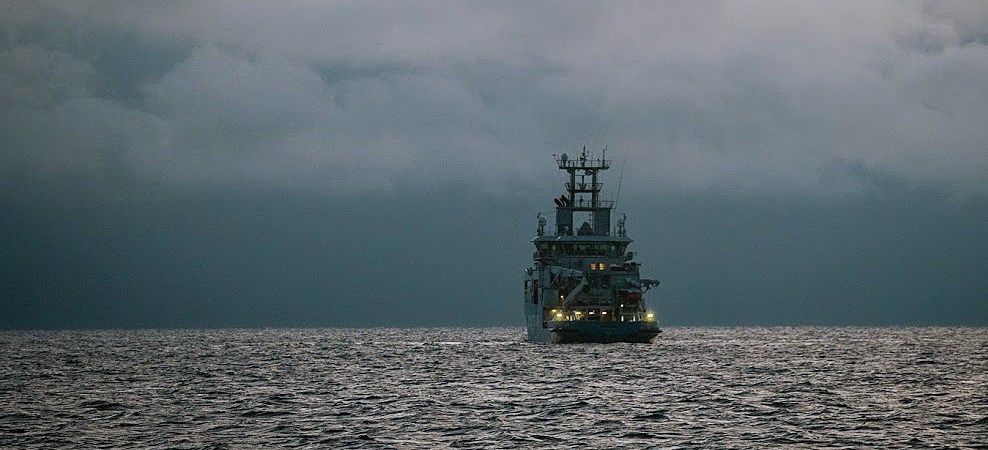
The Swedish Armed Forces’ assessment of the situation in Sweden’s immediate vicinity
The Russian invasion of Ukraine is affecting Sweden’s security. However, the risk of an armed attack against Sweden is currently assessed as low. At the same time, there is an increased risk of influence operations and other hostile actions. Sabotage against subsea infrastructure has occurred, cyber attacks are taking place on a recurring basis, and political influence campaigns targeting Sweden are ongoing.
The Swedish Armed Forces are monitoring developments closely and keeping a watch on Sweden’s territory and neighbouring areas around the clock...
Sweden’s presence in the Arctic
A large part of Sweden’s territory is geographically located in the Arctic. With climate change, the Arctic has become a region of great interest. As the ice melts, a new sea is opening up. This means that new shipping routes and natural resources are becoming accessible, which in turn is leading to increased competition between the major powers.
Seven of the eight Arctic nations are NATO members, with Russia being the eighth.
Almost 50 per cent of the Arctic landmass lies within Russian territory. This means that Russia has a very long coastline along the Arctic Ocean. The ice there has served as a natural protective barrier for Russia, but as it is now melting, Russia perceives this as a threat.
In the event of an armed conflict in the Arctic, Sweden would likely be affected, according to the Swedish Armed Forces’ website.
Sweden and NATO
Sweden is a member of the North Atlantic Treaty Organisation (NATO). Sweden applied for membership in light of the changed security situation following Russia’s invasion of Ukraine. The Government believes that Swedish membership of NATO is the best way to safeguard Sweden’s security.
The security situation in Sweden
Sweden is going through a turbulent period characterised by threats that are difficult to assess and rapid changes, writes the Security Service in its 2025–2026 security assessment. The threat to Sweden is largely linked to events taking place beyond the country’s borders. War, conflicts and tensions in the wider world have affected Sweden over the past year. There are many indications that the coming years will also be characterised by considerable uncertainty.
Russia continues to pose the greatest threat to Sweden, according to the Security Service. They assess that Russia is taking greater risks than before and acting more aggressively through covert influence operations. There is also a threat of sabotage from Russia aimed at halting Western support for Ukraine.
So far, Sweden has not been subjected to any major attacks or traditional acts of sabotage, but the Security Service has observed attempts at cyber-sabotage from Russia.
The situation report also highlights that 2026 is an election year in Sweden, and that this could be exploited by a foreign power. Through influence campaigns, they could attempt to create unrest and division in Sweden, and undermine the credibility of the election. However, the Security Service adds that it assesses Sweden’s resilience to election interference to be good.
Terrorist threat
The threat level for terrorist attacks in Sweden is at level three on a five-level scale. This indicates an elevated threat, meaning that terrorist attacks could occur. The threat stems primarily from violent Islamism and violent right-wing extremism. The most likely perpetrators are lone actors who have been radicalised by propaganda that glorifies violence.